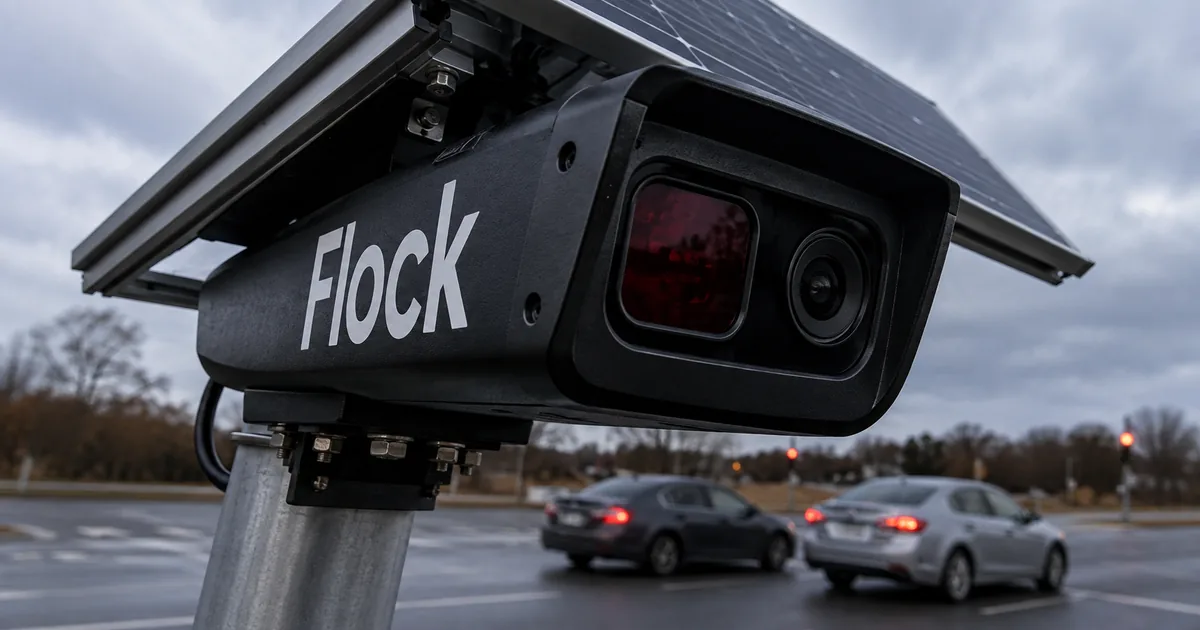
Flockが打ち出した自主改革
反発は契約の解除や停止という形で表れました。今回の改革はその火消しです。EFFの総評は、本来もっと早く手を付けるべきだった変更と、この技術の根本的な危険に触れない見た目だけの手直しが混ざっている、というものです。
"Flock Safety, the embattled vendor of mass surveillance technology, has rolled out a handful of new reforms intended to appease the justified nationwide anger that has seen scores of towns cancel or suspend their contracts with the company for automated license plate readers (ALPRs). The reforms are a combination of long overdue changes along with some cosmetic fixes that fail to address the fundamental dangers of this technology."(記事冒頭)— EFF 公式ブログより
発表された主な変更点
保持期間は30日から7日へ
最も実質のある変更はデータを持ち続ける期間の既定値です。 30日だったものが7日になりました。設定より長く持ちたければ、そのデータが捜査中の案件に結びついていることを示す「証拠モード」を通さなければなりません。当てもなく網を張る使い方との境目がここに引かれています。
ただしEFFは抜け道も指摘しています。自治体はスイッチを切り替えれば長い保持期間へ戻せます。Flockが過去に保持期間の延長で顧客へ課金していた事例を引き、歯止めが値段だけになりかねないとみています。
"The most consequential is Flock's default setting of an optional 7-day retention period for ALPR data, down from its original default optional 30-day retention period. This means if police want to retain data beyond the duration of their retention setting, they need to access "Evidence Mode," i.e., when the desired data is associated with an active investigation and not just a fishing expedition."/"This is significant because, in at least some circumstances, Flock has previously charged its customers to extend their retention period."/"So, while towns can likely easily flip the switch to longer retention periods, it might come with a price tag some cities will be unwilling to pay."— EFF 公式ブログより
犯罪種別フィルタと監査の強化
残る2つはより簡単にすり抜けられる改革だとEFFは位置づけます。1つは犯罪種別による絞り込み。殺人や強盗の捜査では他部門にデータを開放するが、移民関連の捜査では開放しないといった設定ができます。もう1つは監査機能の強化とされるもので、不審な照会を出した警官を先回りで締め出す仕組みです。
EFFの批判はその成り立ちに向きます。監査と透明性の道具が解こうとしている問題はすべての車をいつでも追跡できる仕組みをFlockが作ったからこそ生まれました。 火を出した側が消火器を売っているという指摘です。
"The first is offense filtering so that cities can enable other departments to access their ALPR data only if they are investigating certain crimes, e.g., murder or robbery but not immigration-related investigations."/"The second is supposedly beefing up their audit feature and proactively locking out officers who file suspicious requests for data."/"The major problem here is the fact that Flock's enhanced audit and transparency tools help to address a problem that Flock itself has created—an abusable mass surveillance system that tracks all cars all the time."— EFF 公式ブログより
EFFが引く令状という一線
改革の是非とは別に、EFFはもっと手前へ基準を置いています。過去のデータを調べるなら司法を通せという線です。
論点の位置関係
過去データの検索は時間をさかのぼる追跡
EFFの立場は一貫しています。特定の車について過去のナンバープレート記録を調べるなら裁判官が署名した令状が最低限必要になります。理由は単純です。記録をたどる行為は、その人がいつどこにいたかを後から再現するのと変わらないからです。
案件番号の必須化はそれより手前の基準です。番号さえあれば通る運用と、司法の判断を挟む運用では止められる範囲が違います。
"To be clear, our position has long been that police, at a minimum, need to get a warrant, signed by a judge, in order to search for historic ALPR data regarding specific vehicles. For us, it's common sense: if police want to dip into historic ALPR data like they were going back in time to retroactively follow your comings and goings, they need a warrant."— EFF 公式ブログより
CEOの姿勢が変わった背景
Flockのギャレット・ラングレー最高経営責任者の発言も変わりました。かつては反監視運動のDeFlockを「テロリスト」と呼び(後に謝罪しています)、反発の理由は自社ではなく現在の連邦政権にあると述べていました。いまは監視の危険や用途の広がり、警察による濫用を認める調子へ移っています。
EFFはBBCの取材を引いています。データをどれだけ保持するかを自分が決めてよいのか分からなかったという趣旨の述懐です。 そのうえでラングレーは市民団体の主張に同意すると述べました。警察が検索するには捜査中の案件番号を必須にすべきだという主張です。
"Langley went from calling the DeFlock movement "terrorists" (which he has since apologized for) and saying that the wave of anti-surveillance anger was more about the current federal administration than it was specifically about his company, to a more conciliatory tone that acknowledges some of the problems of dangerous surveillance, mission creep, and police abuse."/""Historically, my point of view as a chief executive of a private company was, I don't know if I should be making these decisions. I don't know if it's my job to say how long data should be retained," Langley said. He added that he has come to agree with groups like the American Civil Liberties Union and the Electronic Frontier Foundation that police should need an active case number to search Flock's data. "They're right. I think it should be required.""(EFF が BBC の報道を引用した箇所)— EFF 公式ブログより
英語の権利団体ブログは論点が段落に埋まっていて、どこが主張でどこが引用元の言葉かを追いにくい構造です。マークダウンに変換して見出しと引用の階層を残しておけば、原文の組み立てのまま読み比べられます。
プライバシーを企業が決める構図
EFFの結論は改革の中身ではありません。誰が決めるのかという一点です。
自主改革と立法の違い
撤回を止めるものがない
企業が自分で課した規則には、それを守らせ続ける力がありません。顧客である警察が別のALPR事業者へ流れたとき、Flockが方針を戻さない保証はどこにもありません。EFFはそう指摘します。
規則の寿命が事業者の都合に握られている間は、プライバシーの範囲も同じ都合で伸び縮みします。 何も疑われていない数千万人、ときに数億人規模の記録をどれだけ長く残すか。それを装置の売り手が決めてよいのかという問いが残ります。
"Fundamentally, these reforms leave us wondering: what is stopping Flock from reversing course on them if their law enforcement customers respond by defecting to another ALPR vendor? Nothing."/"It shouldn't be up to Flock or any other ALPR vendor to decide how long police can collect and retain data on millions, if not hundreds of millions, of innocent people."— EFF 公式ブログより
立法でしか塞げない穴
EFFが求めるのは警察による監視技術の利用を制限する法律です。監視を売る商売の形そのものが問題で、企業が場当たりに出す改革では変わりません。それが結びの主張です。
外から線を引く動きは他の領域でも進んでいます。AIの表示義務を法で定めたEU AI法や米42州によるOpenAIへの調査は、事業者の自主性ではなく外部の権限で範囲を決めた例です。自主規制と法規制の違いは、破ったときに何が起きるかにあります。
"We need lawmakers to step up and pass laws that restrict police's use of surveillance technology. After all, the surveillance business model is the problem, and a few company-imposed slapdash reforms aren't going to change that."— EFF 公式ブログより
今回のやり取りが浮かび上がらせたのは、技術の是非よりも決定権の所在です。保持期間が30日から7日になったこと自体は前進です。ただしその数字を決めたのは議会でも裁判所でもなく、装置を売る会社でした。同じ会社が明日それを30日へ戻しても、止める仕組みは今のところありません。 令状という一線を誰が引くのか。争点はそこへ移っています。