何がどこまで認められたのか
告示の中身は、規制の側がAI搭載の車をどう扱い始めたかを具体的に示しています。
8つの安全基準の一部から外れた
除外が認められたのは、FMVSS のうち次の8項目に含まれる一部の要件です。フロントガラスの曇り取り・霜取り装置(103号)、ワイパーと洗浄装置(104号)、灯火と反射器および関連装置(108号)、後方視界(111号)、軽車両のブレーキ装置(135号)、車内衝突時の乗員保護(201号)、窓ガラス材(205号)、乗員の衝突保護(208号)。
並べてみると傾向が見えます。曇り取り・ワイパー・後方視界は、人間が前を見て運転することを前提にした要件です。運転する人がいない車では、そもそも満たす意味が変わってきます。
適用除外の対象となった8つのFMVSS(官報告示による)
The Zoox robotaxi is a passenger car that is equipped with an ADS and lacks manually operated driving controls. / NHTSA is granting an exemption to Zoox, Inc. (Zoox) to allow it to manufacture and deploy commercially a passenger car, which is equipped with an Automated Driving System (ADS), that does not comply with certain requirements in the Federal Motor Vehicle Safety Standards (FMVSS). Specifically, NHTSA grants Zoox an exemption for its Zoox sedan from certain requirements in eight FMVSS: FMVSS No. 103, Windshield defrosting and defogging systems; FMVSS No. 104, Windshield wiping and washing systems; FMVSS No. 108, Lamps, reflective devices, and associated equipment; FMVSS No. 111, Rear visibility; FMVSS No. 135, Light vehicle brake systems; FMVSS No. 201, Occupant protection in interior impact; FMVSS No. 205, Glazing materials; and FMVSS No. 208, Occupant crash protection. — 適用除外の対象となった8つの基準に関する記述より
2年間・年2,500台という枠
無制限の許可ではありません。期間は2026年7月31日から2028年7月31日までです。ロボタクシーの事業面では、WaymoとUberの独占提携が終わった件も同じ市場の動きにあたります。
台数にも上限があります。12か月あたり、商業配備のために州をまたぐ取引(州際通商)へ投入できる適用除外車両は2,500台までと定められました。この枠内であれば、Zoox はこの適用除外に基づいて車両を製造できます。
Zoox is permitted to manufacture vehicles pursuant to this exemption for two years, provided that not more than 2,500 exempted vehicles are introduced into interstate commerce for commercial deployment in any 12-month period. / DATES: NHTSA grants Zoox's exemption effective from July 31, 2026 through July 31, 2028. — 適用除外の有効期間と、12か月あたりの台数上限に関する記述より
乗客を運ぶ自動運転車では初めての適用除外
位置づけも明記されています。Zoox のロボタクシーは、NHTSA の一般適用除外権限のもとで適用除外を認められた、初めての乗客運送ADS搭載車両です。
さらに、NHTSA が自動運転車(AV)の枠組みのもとで手続きを改善して以降、最初に出された適用除外でもあります。その枠組みが掲げる3つの原則も告示に記されています。公道でのAV運行の安全を最優先すること、不必要な規制上の障壁を取り除いて技術革新を解き放つこと、そして安全と移動性を高めるためにAVの商業配備を可能にすることの3つです。
規制の原文にあたる作業は骨が折れますが、こうした告示は読める形にしておくと後から確認が効きます。
The Zoox robotaxi is the first passenger-carrying ADS-equipped vehicle to be granted an exemption under NHTSA's general exemption authority. / It is also the first exemption to be issued since NHTSA introduced process improvements under the Department's Automated Vehicle (AV) Framework. / These process improvements have been made in accordance with the AV Framework's three core principles: (1) prioritize the safety of ongoing AV operations on public roads; (2) unleash innovation by removing unnecessary regulatory barriers; and (3) enable the commercial deployment of AVs to enhance safety and mobility for the American public. — 初の適用除外という位置づけと、AV枠組みの3原則に関する記述より
どういう車なのか
告示には車両の説明も収められています。従来の乗用車とは形から違います。
前後が同じ形で、人が運転できない
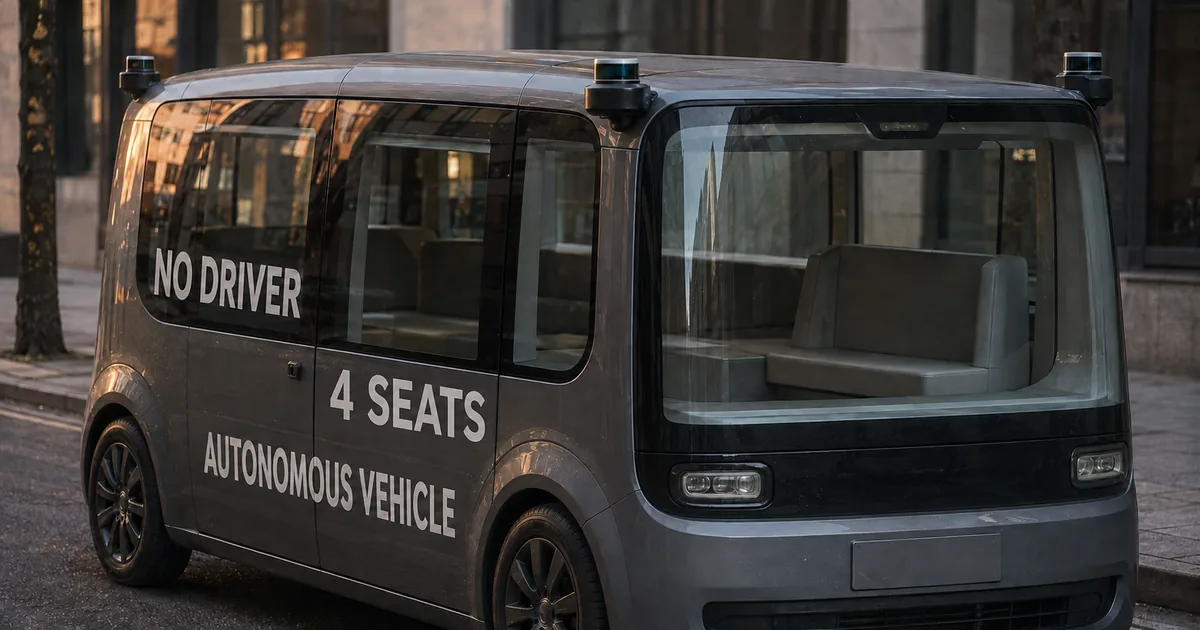
Zoox の説明によれば、このロボタクシーは都市部での配車サービスに最適化された、専用設計・完全自律・全電動の車両です。分類は乗用車で、最高速度は75マイル毎時(約120km/h)。乗客は最大4人で、車両総重量定格は3,000キログラム(6,614ポンド)とされています。
形状が独特です。車体は前後対称で、前と後ろが同一。座席も進行方向を向いた列ではなく、乗員が車内の中央を向いて座る馬車型の配置になっています。
そして決定的な違いがここです。Zoox は、適用除外を受けない車両との主な違いは、このロボタクシーが人間に運転される能力を持たないことだと述べています。ハンドルを外したのではなく、はじめから人が運転する設計になっていない、ということです。
Zoox describes the robotaxi as a purpose-built, fully autonomous, all-electric vehicle optimized for ride hailing in cities. It is classified as a passenger car and has a top speed of 75 mph. The vehicle seats a maximum of four passengers and has a gross vehicle weight rating (GVWR) of 3,000 kilograms (6,614 pounds). / Unlike conventional human-driven cars, the Zoox robotaxi is symmetrical, meaning its front and rear are identical. Rather than forward-facing rows, the Zoox robotaxi's seats are configured in a carriage-style arrangement where seated occupants face the center of the cabin. / Zoox states that the primary difference between the Zoox robotaxi and a nonexempt vehicle is that the Zoox robotaxi is not capable of being driven by a human. — 車両の仕様、前後対称の形状、人が運転できないという特徴に関する記述より
センサーと自前のソフトウェアが運転する
運転する主体は車載のシステムです。搭載されているのは、LiDAR(レーザーで距離を測るセンサー)、レーダー、カメラ、長波赤外線カメラ、マイク、その他のセンサーで、これらが自社開発の知覚ソフトウェアで周囲の環境を捉えます。
その情報が、進路を組み立てる系と車を動かす系へ渡り、運転操作を自律的に計画して実行する流れです。同じ「AIが物理世界で動く」領域の話としては、Gemini Robotics 2の発表やClaudeにロボットを操作させる試みも同時期に進んでいます。
Zoox の説明によれば、この ADS はすべて自社で開発したもので、指定された運行設計領域(ODD)の内側であれば、乗客が介入する必要を前提とせずに、運転タスク全体とその失敗時の対応まで継続的にこなせるハードウェアとソフトウェアで構成されています。そのうえで Zoox は、この構成をもってSAE J3016(2021年4月版)でいう Level 4 のADSの記述に合致すると述べています。
Instead, the Zoox robotaxi is equipped with lidar, radar, cameras, long-wave infrared cameras, microphones, and other sensors that perceive the environment with custom perception software. This information is then fed into planner and control systems which plan and execute the driving maneuvers autonomously. / Zoox states that its ADS is developed entirely in-house and consists of the hardware and software collectively capable of performing the entire dynamic driving task and fallback on a sustained basis within a specified operational design domain (ODD), without any expectation that a passenger will need to intervene. / Zoox states that, therefore, their system meets the description of a Level 4 ADS under SAE J3016: Taxonomy and Definitions for Terms Related to Driving Automation Systems for On-Road Motor Vehicles (April 2021). — センサー構成と、SAE J3016のLevel 4に該当するという説明に関する記述より
判断の理屈と、その後の監督
適用除外の理屈と、許可後の監督の仕組みが、今回の告示のもうひとつの読みどころです。
「基準に合わせると、かえって出せなくなる」
NHTSA が申請を認めた根拠は明快です。これらの要件へ適合させようとすると、すべてのFMVSSに適合した車両と同等以上の総合的な安全水準を持つ自動車を、Zoox が販売したり商業配備したりできなくなる——だから認める、という論理です。
これは「安全基準を緩めた」のとは違います。基準の条文が想定していない形の車に、条文をそのまま当てはめると不合理が生じるため、総合的な安全水準という物差しで測り直した、という構図になります。人の運転を前提に書かれた条文は、人が運転しない車に対しては空回りしうる。その空回りを認定したのが今回の判断です。
NHTSA is granting Zoox's application on the basis that compliance with these requirements would prevent Zoox from selling, or otherwise commercially deploying, a motor vehicle with an overall safety level at least equal to the overall safety level of a vehicle that complies with all applicable FMVSS. — 適用除外を認めた根拠となる「総合的な安全水準」の判断に関する記述より
条件は2種類に分けられている
条件の設計も特徴的です。付与条件(grant conditions)は固定とされています。NHTSA の総合的な安全性の判断に寄与した条件だからで、この適用除外そのものを修正しない限り変更できません。Zoox は適用除外車両の生涯にわたってこれを守る必要があります。
一方で、NHTSA は Zoox の運行内容・ODD・利用形態が時間とともに変わっていくと見込んでいます。そこで、変化に追従できるもうひとつの層が用意されました。Operational Authorization(運行認可)です。これはZooxのADS技術が成熟するにつれて更新・拡張されうるとされています。
安全性の土台は動かさず、運用の枠は技術に合わせて動かす。この2層構造は、性能が変わり続けるAIシステムを規制する際の型として参考になります。
固定される条件と、更新されうる条件の違い(官報告示による)
| 付与条件(grant conditions) | Operational Authorization | |
|---|---|---|
| 位置づけ | 総合的な安全性の判断に寄与した条件 | 監督強化条件のもとでNHTSAが発行する運行認可 |
| 変更の可否 | 適用除外そのものを修正しない限り変更できない | ADS技術の成熟に応じて更新・拡張されうる |
| 遵守の期間 | 適用除外車両の生涯にわたる | 認可の内容が変われば追従する |
The grant conditions are considered fixed conditions because they contributed to NHTSA's overall safety finding and therefore cannot be changed without a modification to this exemption. Zoox must comply with the grant conditions for the life of the exempted vehicles. / In addition, NHTSA anticipates that Zoox's operations, ODD, and use case will change over time. / NHTSA grants Zoox an exemption subject to certain specified terms and conditions, including the application of an enhanced oversight condition. Under this condition, NHTSA will issue Operational Authorizations that may update and expand as Zoox's ADS technology matures. — 固定条件・更新可能条件という2層の監督構造と、運行内容が変化していくという見込みに関する記述より
まとめ:AIを載せた機械に、既存の法令をどう当てはめるか
今回の告示から持ち帰るべきは、台数でも速度でもありません。人間が操作することを前提に書かれた規則を、人間が操作しない機械にどう適用するかという問いに、規制側が具体的な答えを出した点です。
答えの形は3つに整理できます。ひとつ、条文への逐条適合ではなく総合的な安全水準で測る。ふたつ、安全性の判断根拠になった条件は固定して動かさない。みっつ、変化する運用面は更新できる認可で追いかける。この分け方は、車に限らず、性能が更新され続けるAIシステム全般に効く考え方です。
規制の側からは、EU AI Actの適用開始が別のアプローチを示しています。技術が先に走り、規則があとから形を変える。その現場を、今回の告示は具体的な条文の名前とともに見せてくれます。