What Lyria 3.5 is
Lyria 3.5 is the latest version of Google's music generation model. Write a text prompt and it assembles a track with vocals. Google DeepMind positions it as its most advanced music generation model, now up to three minutes long. It was announced on July 29, 2026 and shipped into Google Flow Music.
The four areas Lyria 3.5 improved (per Google)
Four things changed
Google lists four. On musicality, richer and more complex melodic structures that sound more natural. Lyrics improved on prompt adherence and structural awareness. Vocals gained expression and emotional nuance along with better pronunciation. The fourth, creative control, covers tempo and duration.
No benchmark figures or evaluation results appear in the announcement. How much better it is comes down to generating something and listening.
We’re launching Lyria 3.5 in Google Flow Music, with advances across musicality, lyrics, vocals, and creative control. / Our newest music generation model, Lyria 3.5, delivers significant advancements across musicality, lyrics, and vocal quality, empowering you to craft richer tracks. We’re rolling it out today in Google Flow Music, where we want to help you create songs you love, with creative control. / Improved musicality: Create richer, more complex melodic structures that sound more natural. Enhanced lyrics: Generate higher quality lyrics with improved prompt adherence and structural awareness. Improved vocals: Bring more expression and emotion to your songs with more realistic and emotionally nuanced vocals, plus improved pronunciation. Creative control: More easily control the tempo and duration of your outputs. — From where it shipped, what was announced, and the four areas of improvement
Where you can use it, and on what terms
Lyria is reachable from Google Flow Music, Gemini, and other Google products. DeepMind says you can prompt for the length you need, from a quick 60-second clip to a full three-minute song. Uploading an image and having Lyria turn it into a track is also listed.
Flow Music features are for Google AI subscribers, 18 and over. What you actually get varies by subscription tier, by web versus mobile, and by region, as Google notes itself. What is enabled from any given country has to be checked on the actual screen.
Lyria Our most advanced music generation model, now up to 3 minutes long / Prompt for the length you need Generate cohesive tracks matching your project's exact duration — whether you need a quick 60-second clip, a half-length track, or a full 3-minute song. / Compose with images Upload an image and ask Lyria to transform it into a custom high-fidelity track. — From how the model is positioned and its maximum length, prompting for duration, and generating tracks from images
What you can do in Flow Music
A better model does not help if you do not know what the surface around it can do. Flow Music carries a set of editing features for working a generated track into shape.
Main features in Google Flow Music
| Feature | What it does |
|---|---|
| Section-level editing | Highlight part of a song and change only that part |
| Lyric rewriting and translation | Rewrite or translate lyrics instantly without altering the rest |
| Beat restyling | Restyle the beat drop |
| Sampling a section | Take a specific section and extend it in a completely different direction |
| Covers | Change the style of a whole track while keeping melody and structure |
| Music video | Build visuals in conversation with Gemini Omni (Omni Flash) |
Editing works section by section
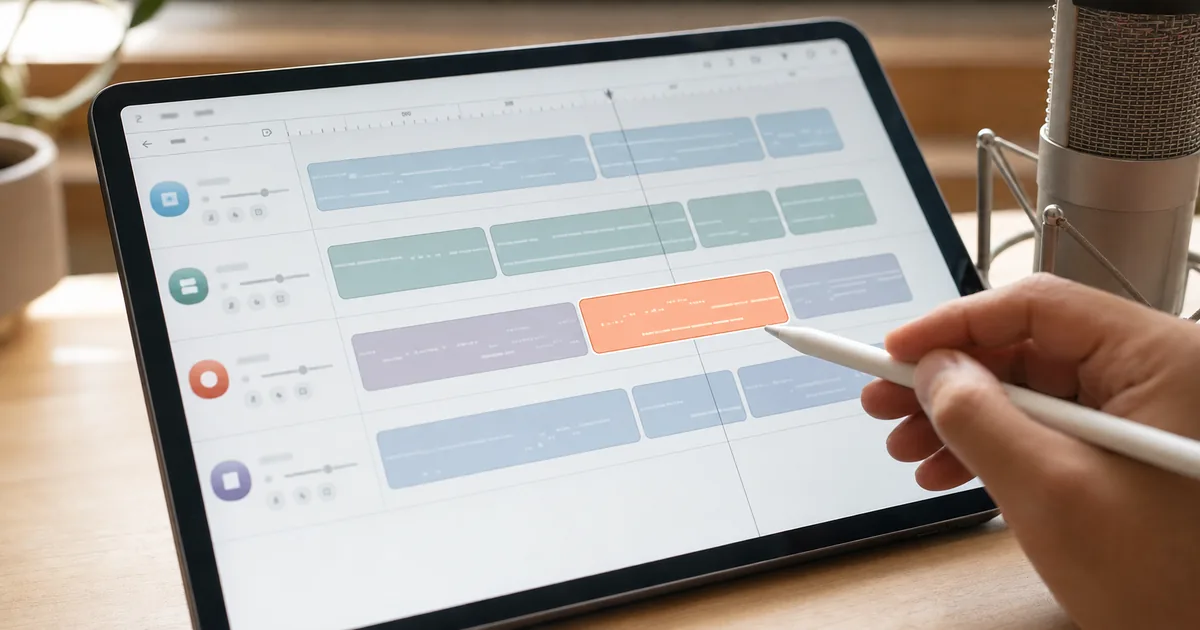
Flow Music has always been a place to create, iterate on, and share studio-quality songs. What has been added is fine-grained editing control. You can highlight any part of a song and make changes — rewrite or translate lyrics, restyle the beat drop — without altering the rest of the track.
Sampling a specific section of one of your own songs and extending it in a completely different direction is also on the list. The design avoids the usual cost of regenerating and having the whole thing change.
Covers and music videos
The other one is covers. You can transform the style of a full track made in Flow Music while keeping the original melody and structure. The example Google gives is making a "lo-fi study" version of a favourite playlist.
Music videos are built in conversation with Gemini Omni (the official feature name is Omni Flash), where you guide styles, subjects, and scenes to match the narrative and pacing of the track. There are mobile apps too: Flow Music is available on iOS, with Android listed as coming soon.
When you use the lyric rewriting feature, keeping the replacement lyrics to a similar length makes them easier to manage. Counting characters as you go is one way to keep them in line.
Google Flow Music has always allowed you to create, iterate and share studio-quality songs. / Now you can highlight any part of a song and make changes. Instantly rewrite or translate lyrics, restyle the beat drop and more — without altering the rest of your track. Or you can sample a specific section of one of your songs, and extend it into a completely different direction. / Reimagine your full tracks with covers: / Transform the style of full songs you make in Google Flow Music, while keeping the original melody and structure. For instance, try creating a “lo-fi study” version of your favorite playlist. / With Omni Flash you can guide the styles, subjects and scenes to match the narrative and pacing of your track. This is available to all Google AI subscribers. / For those 18+, the Flow app is available on Android in beta (iOS coming soon), and the Flow Music app is available now on iOS (Android coming soon). / Features may vary by Google AI subscription tier, platform (web vs. mobile), and region. 18+. — From how Flow Music is positioned, section-level editing, covers, music videos, mobile app availability, and the conditions of access
What to watch when you publish what you made
Publishing a generated track brings the handling of AI generation into play. Lyria's outputs are watermarked regardless of what the user chooses.
Three things to settle before publishing
Outputs carry a SynthID watermark
Google DeepMind states that all of its tracks are imperceptibly watermarked with SynthID, allowing detection of whether music has been created or edited using AI. Publishing in a way that hides the AI generation is not something this route contemplates.
OpenAI has started applying the same SynthID to generated audio. Provenance mechanisms are spreading across providers.
Google acknowledges limits as well. Lyria can create a wide range of music, but key capabilities are still being improved, and you should always carefully check that the tracks you create fit your vision.
All of our tracks are imperceptibly watermarked with SynthID technology, allowing you to detect whether music has been created or edited using AI. / While Lyria can create a wide range of music, we’re still working on improving key capabilities. You should always carefully check that the tracks you create fit your vision. — From the SynthID watermarking of all tracks and its detectability, and from the acknowledged limits and the need to check
Some regions now require disclosure
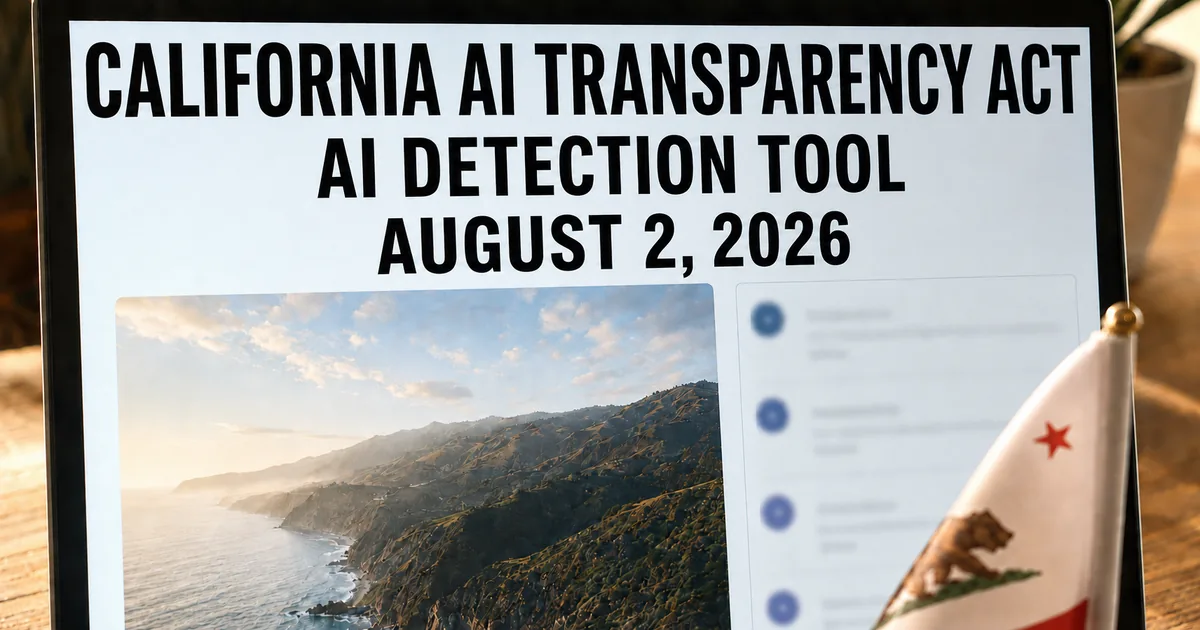
Depending on where you publish, disclosing AI generation is a legal obligation. On August 2, 2026 the EU began enforcing its labelling obligations for AI-generated content, and California's AI Transparency Act became operative. If your tracks reach users in the EU or California, you need to check the disclosure requirement separately from the watermark.
A watermark is there for machines to detect. A label is there for people to see. Do not conflate the two.
Conclusion: settle editing and disclosure before the model
Lyria 3.5 improved on musicality, lyrics, vocals, and creative control, and can produce tracks up to three minutes. No numerical evaluation was published, so judging it means generating and listening yourself. What matters more in practice than the model generation is Flow Music's section-level editing and covers. Whether you can finish by fixing a part instead of regenerating the whole thing changes the workload substantially. If you are publishing, settle two things first: that outputs carry a SynthID watermark by default, and that disclosure obligations have started in the EU and California. Those come before the model conversation, not after.