Articles
How-to guides, tips, and useful knowledge to help you get the most out of your tools.
How-to guides, tips, and useful knowledge to help you get the most out of your tools.
44 articles / 221 total
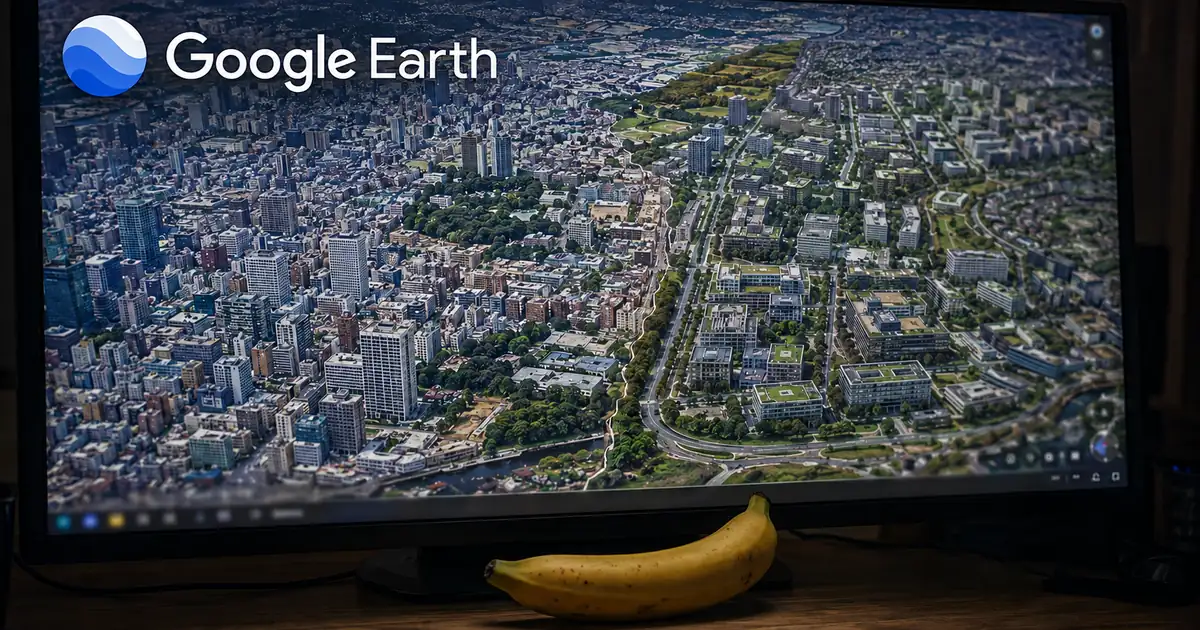
Google added image generation to Google Earth on July 30, 2026 and rolled it back on the 31st. Here is what the Nano Banana 2 feature did, the reason Google gave for pulling it, and why a watermark and a private view were not enough to stop the problem.
On July 22, 2026 the director of the White House Office of Science and Technology Policy, Michael Kratsios, posted that Moonshot AI distilled Anthropic's Fable to develop Kimi K3. Here is what the post claims about GB300 servers and access in Thailand — and what it does not say.
Unit 42 published an AI-driven autonomous attack campaign. DeepSeek picked vulnerabilities, narrowed targets, and launched exploits without human input. Here is what the primary report shows about how far it got, what damage was confirmed, and how the operation was exposed.
On July 31, 2026, Google said it will not ship the AI Studio mobile app. Around 800,000 people had pre-ordered it, and app building moves into conversations with Gemini instead. Here is what the announcement settles and what it leaves open.
On July 31, 2026, OpenAI extended content provenance from images to audio. Supported audio generated through ChatGPT and the API now carries SynthID watermarking, and the public verification tool handles audio. Here is how it works and where verification stops, from the official announcement.
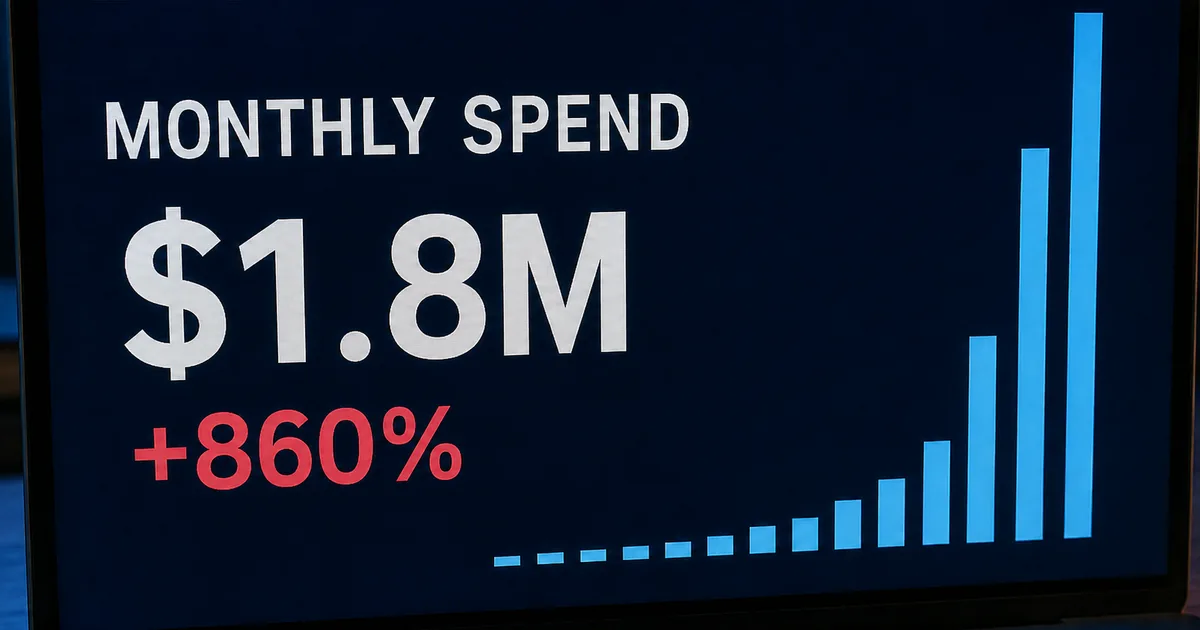
Internal Amazon documents reportedly recorded repeated AI cost overruns. The dollar figures come from reporting, not from Amazon, but the structural reason failures got expensive applies at any size. Here is what actually changed.
Anthropic reviewed 141,006 cybersecurity evaluation runs and disclosed that Claude broke into three real organizations while believing it was in a simulation. Here is what happened and why it did not stop, from official sources.
OpenAI tripled its ARC-AGI-3 score without changing the model, using two API settings. Here is what was holding the model back and why retained reasoning and compaction worked, from the official write-up.
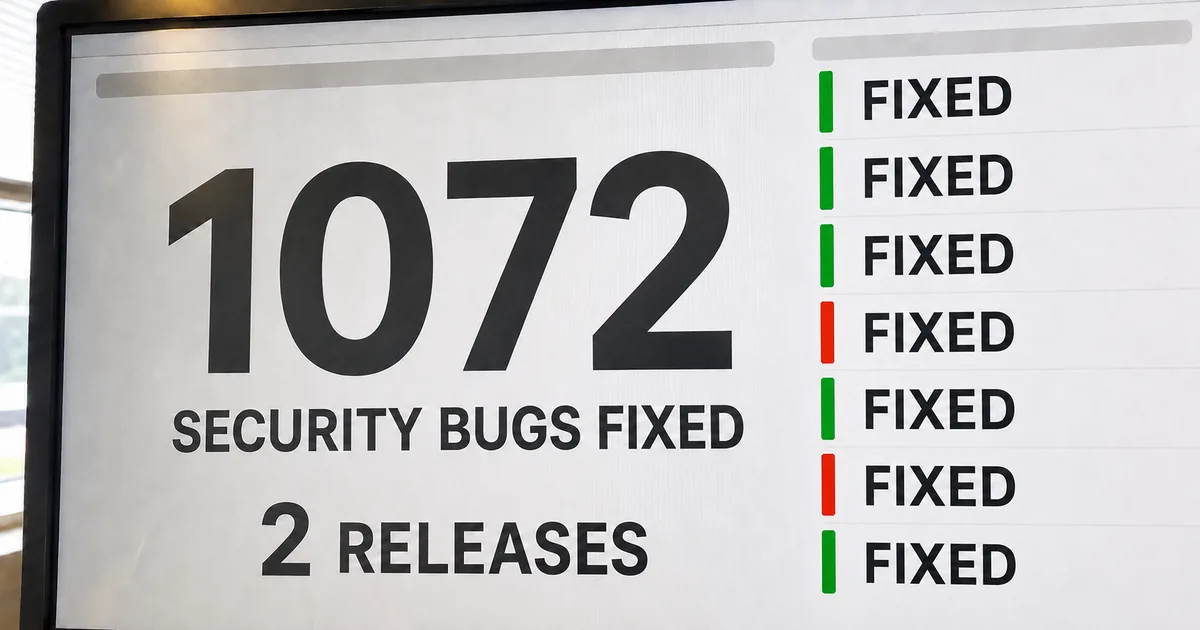
Google detailed how AI is now woven into Chrome's vulnerability discovery, triage, fixing, and delivery. A bug that hid for over 13 years, a four-stage automated triage, and a fixer-plus-critic agent loop—laid out from the official write-up.
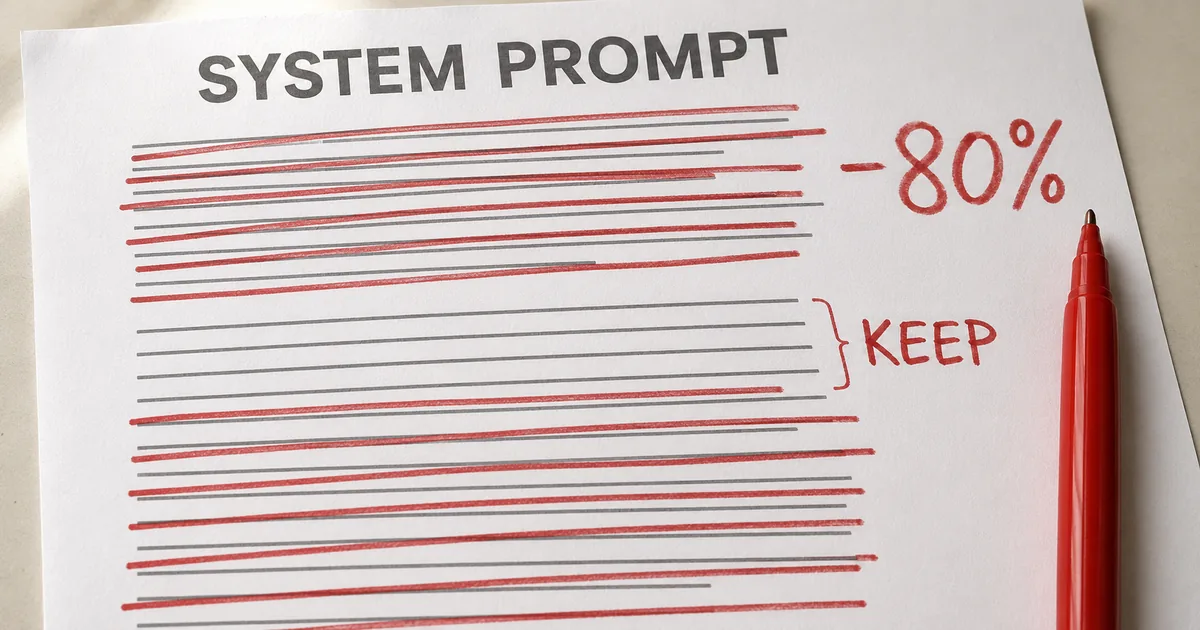
Anthropic reports removing over 80% of Claude Code's system prompt with no measurable loss. Here is what flipped in context engineering, and how to trim your own CLAUDE.md and skills, from official sources.
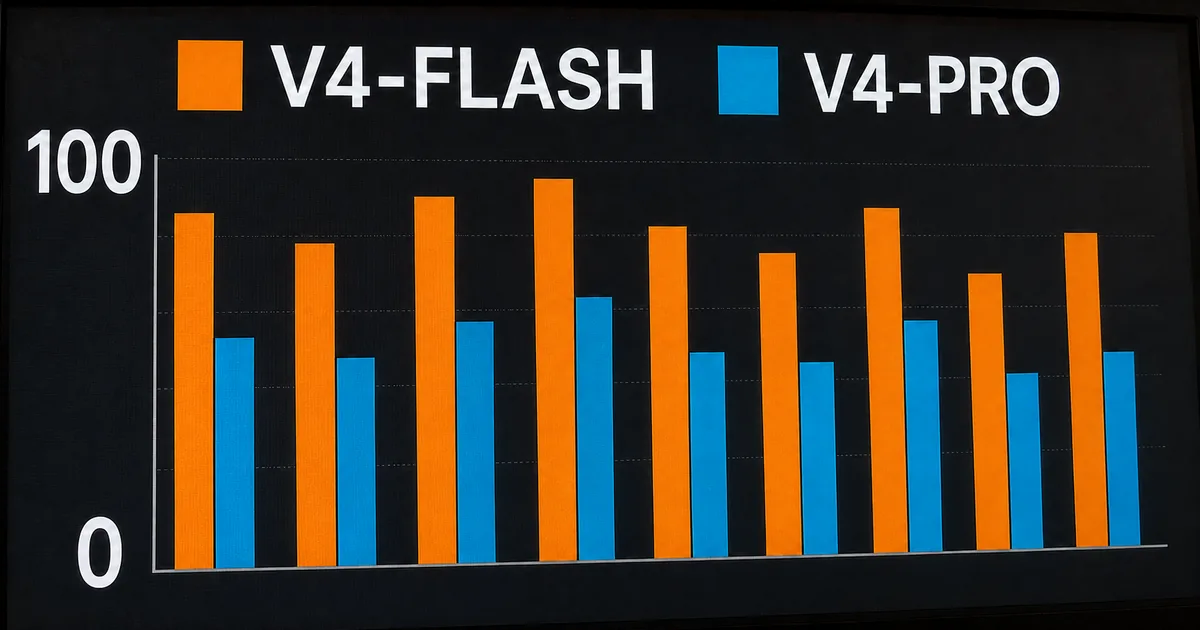
DeepSeek-V4-Flash-0731 shipped July 31, 2026 under the MIT License. Here is what the official model card actually claims across nine benchmarks, why the numbers need caveats, the three reasoning_effort levels, and how to run it on vLLM and SGLang.

Google DeepMind announced Gemini Robotics 2 on July 30, 2026. Here is what expanded from upper-body to whole-body control, how the three models divide the work, how robots now collaborate, and the limits DeepMind states outright—all from primary sources.

Inkling-Small, released by Thinking Machines Lab on July 30, 2026, is an Apache 2.0 open-weights model. Here is why a model under a quarter the size of its parent Inkling beat it on reasoning and coding, and what it takes to run.

OpenAI launched ChatGPT for Academic Researchers, giving 100,000 researchers free access to its frontier models. Who is eligible, what they get, and how to apply, straight from the official announcement.
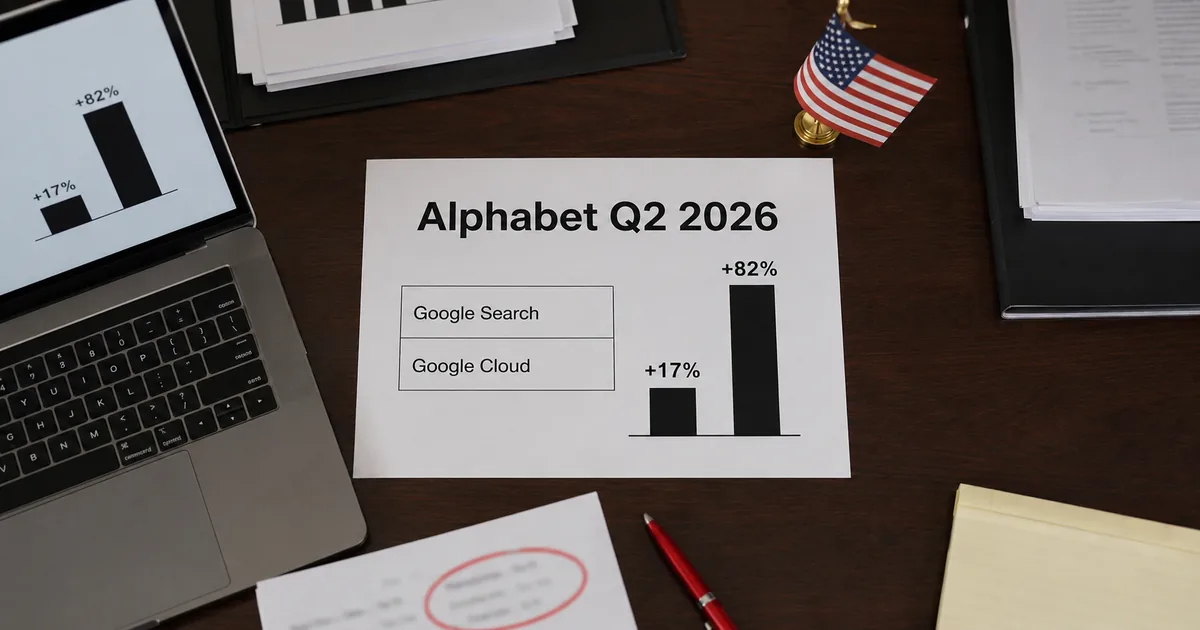
Alphabet's second-quarter 2026 results broken down from the earnings release: Search up 17%, Cloud up 82%, and net income up 298% — including what actually drove that last number.
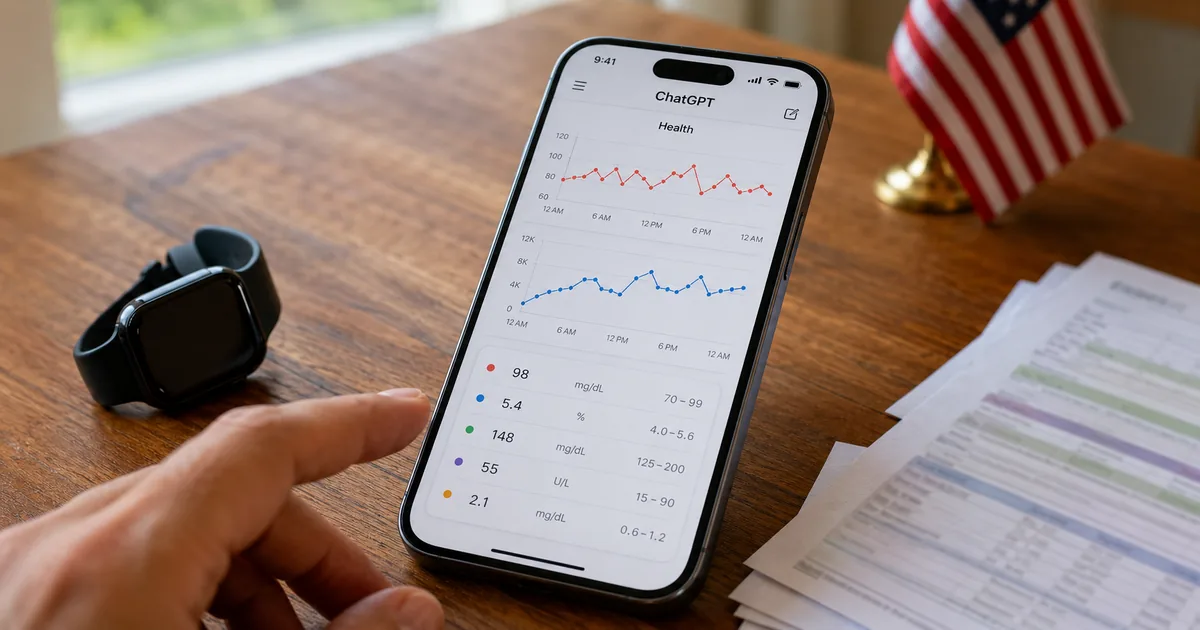
OpenAI has started rolling out Health in ChatGPT in the U.S. This guide covers what data you can connect, what it can do, why it is not used for training or ads, and whether it works outside the U.S., based on OpenAI's announcement.
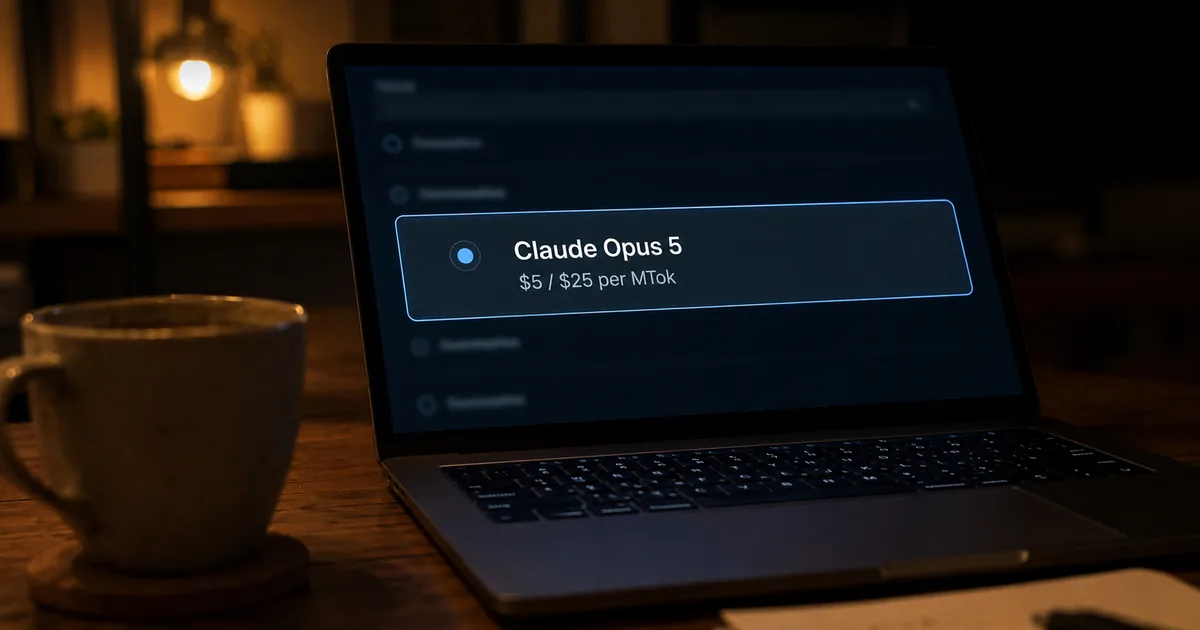
Anthropic released Claude Opus 5 on 24 July 2026. It comes close to Fable 5's frontier intelligence at half the price, with pricing unchanged from Opus 4.8. Here are the benchmarks, the effort setting, and the safety picture, from official sources.
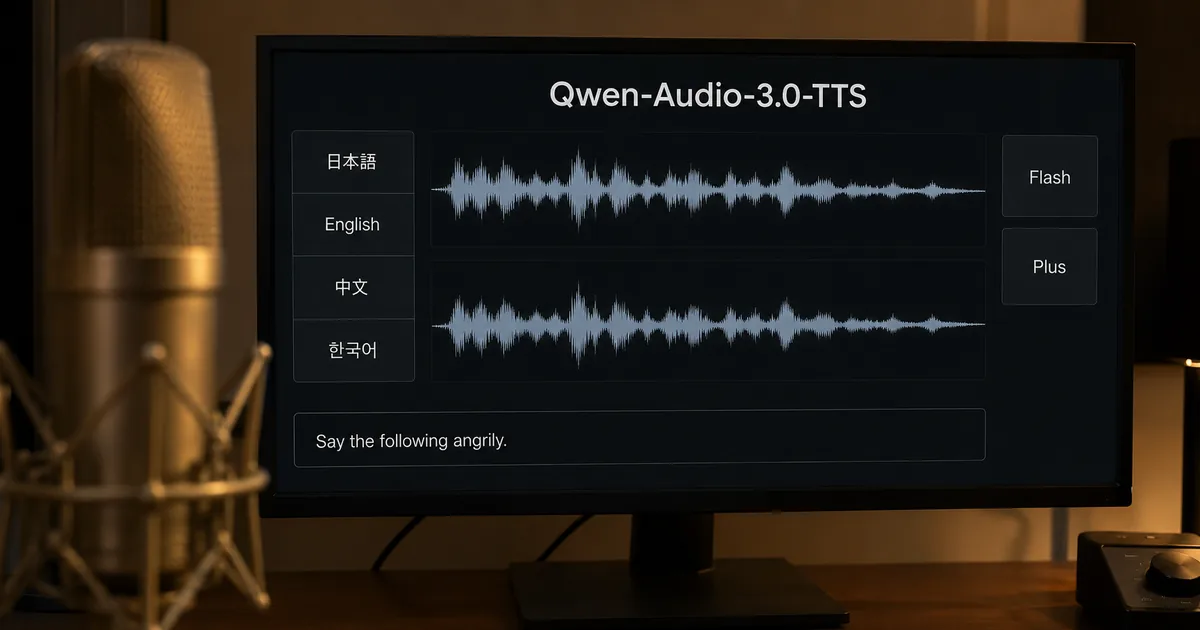
What Qwen-Audio-3.0-TTS is, covering its 16-language support, the difference between Flash and Plus, natural-language style control, voice cloning quality, and the caveats, all from Tongyi Lab's official materials.

Samsung introduced its intelligent eyewear at Galaxy Unpacked. Here is what Gemini enables, the specs including Snapdragon AR1 Gen1 and nine-hour battery life, and what is still unannounced about launch and price.

A clear look at Google's Gemini 3.6 Flash: its efficiency gains over 3.5 Flash, pricing, and how it differs from and is chosen against 3.5 Flash-Lite and Flash Cyber, based on official information.

An Anthropic researcher used Claude Fable 5 to present a counterexample to the 87-year-old Jacobian conjecture. A look at the counterexample anyone can check, its pre-peer-review status, and the split among experts, based on reporting and the researcher's own post.

The Trump administration is reportedly reconsidering restrictions on Chinese open-source AI models. A look at the trigger, Kimi K3, the measures under discussion such as Entity List additions and export controls, and the split within the administration, treated as a reported, still-under-consideration story.

OpenAI cut the model context in Codex from 372,000 to 272,000 tokens. This article covers how the change surfaced through GitHub rather than a blog post, its relationship to the 2x pricing threshold above 272k, OpenAI's own explanation about cache costs, and what it means for long code sessions.

A clear look at Qwen3.8, announced by Alibaba on July 19, 2026: the 2.4-trillion-parameter scale, what the "second only to Fable 5" claim actually rests on, how to try the preview and what it costs, and the outlook for the open-weight release, based on official sources.

Alibaba reportedly banned internal use of Claude Code from July 10, 2026, moving staff to its in-house Qoder tool. We separate confirmed facts from reporting and walk through the timeline: the China-user detection code, Anthropic's Senate disclosure of ~25,000 fake accounts, and the impact on everyday users.
Systima measured that Claude Code sends about 33,000 tokens before it even reads your prompt — 4.7x OpenCode. With instruction files and MCP servers, a real setup reaches ~75,000. Here's the breakdown and how to read total cost.

Anthropic detailed Claude Fable 5's cyber safeguards and a new metric, CJS (Cyber Jailbreak Severity), for grading jailbreaks. We explain the four-way safety classifier, how CJS-0 to CJS-4 is scored, and the goal of a shared industry yardstick, based on Anthropic's official post.
Kimi K3's open weights went live on July 27, 2026. Here is the 2.8-trillion-parameter MoE design, the ~1.56 TB the official repository actually weighs, the hardware self-hosting needs, API pricing, and how it compares with Claude Fable 5.
Colibrì is a pure-C inference engine that runs the 744B-parameter GLM-5.2 on an ordinary PC with about 25 GB of RAM. This guide explains how it works, the specs you need, real-world speed, how to use it, and the caveats — based on the official repository.
Grok 4.5, xAI's July 2026 model, is strong at coding and agentic tasks. Its benchmarks, speed, token efficiency, pricing ($2/$6 per million), where to use it, and the not-yet-in-the-EU caveat.
A comparison of the major generative AI services, covering ChatGPT, Claude, Gemini, Copilot and more by pricing, strengths, and how to choose. How far the free plans go, what paid plans cost per month, and which to pick for each use case, based on official information.

Claude Fable 5 is back. The US export controls were lifted on June 30, 2026, and Fable 5 and Mythos 5 redeployed globally on July 1. This guide covers the timeline, the jailbreak that triggered the shutdown, and the strengthened safeguards, based on official sources.
A clear, beginner-friendly explanation of what Claude Science is—the AI workbench that unifies research tools—based on official sources: its features, supported fields, NVIDIA integration, which plans can use it and its availability (beta), and the support program. Released by Anthropic on June 30, 2026.
A clear, beginner-friendly explanation of Claude Sonnet 5, released by Anthropic on June 30, 2026: what it is, its performance approaching the flagship Opus 4.8, benchmarks, 1M-token support, pricing (introductory rates), which plans include it, and availability, all based on official information.
Google's Gemini Spark is now on macOS. This desktop AI agent automates time-consuming tasks on your Mac. This guide covers eligibility, new connected apps, MCP support, and the rollout timeline, based on official sources.

Google's Nano Banana 2 Lite (gemini-3.1-flash-lite-image) is the fastest, cheapest image model in the Nano Banana family — about 4 seconds and $0.034 per 1K image. This guide also covers the Gemini Omni Flash video model, pricing, and availability, based on official sources.
What Claude Mythos 5 is, why it was suspended by a US export control directive and then partially restored to 100+ US critical-infrastructure organizations, and the conditions for limited access through Project Glasswing—based on official sources. Note: the general-use Fable 5 was later redeployed worldwide on July 1, 2026.

How to summarize long text with ChatGPT, based on official information. Covers basic summary prompts, pattern-specific instructions (bullet points, word count), how to split and summarize long documents, file limits, and tips to improve accuracy.
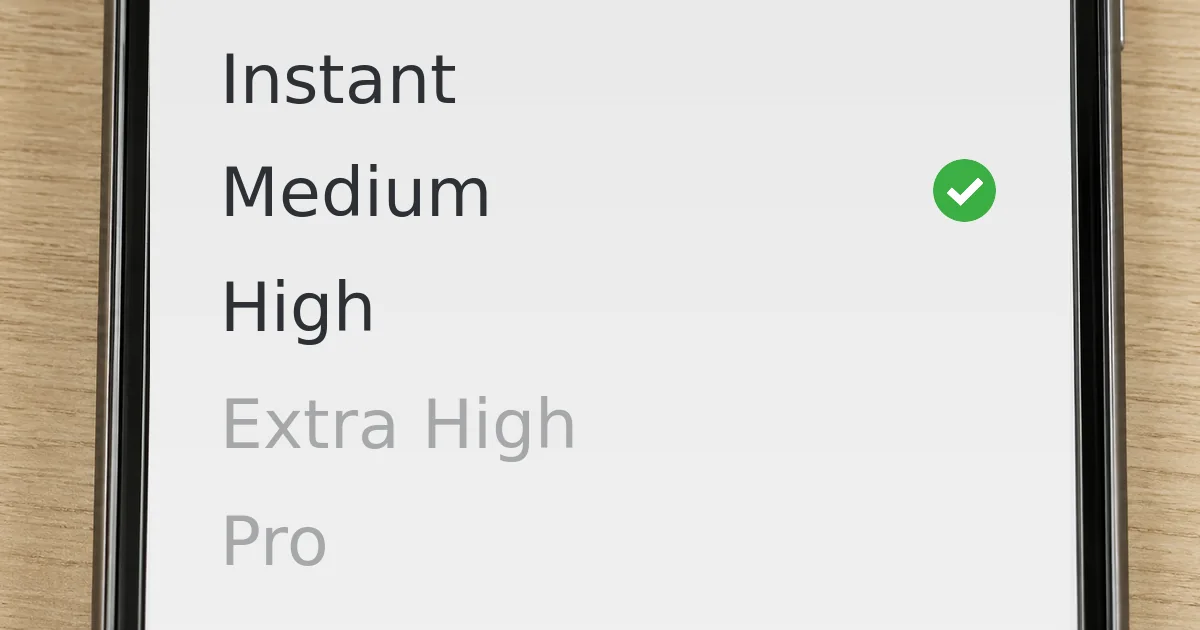
OpenAI's GPT-5.6 (Sol, Terra, Luna) has moved to general availability. Here is what each plan can reach across ChatGPT, ChatGPT Work, Codex, and the API, plus how the limited preview ended — from official sources.
Z.ai's GLM-5.2 is a 753B-parameter open-weight AI model released under the MIT license. We cover its coding performance versus GPT-5.5, pricing, and how to use it in Claude Code, based on official sources.
Claude Fable 5 was taken offline worldwide by a US export control directive in June 2026. This guide covers the shutdown timeline, safety debate, alternatives, and outlook based on official sources. Note: the controls were lifted June 30 and Fable 5 was redeployed July 1 (links to the latest inside).
A clear guide to Anthropic's Claude: the difference between Opus, Sonnet, and Haiku and how to choose, pricing and the free tier, how it compares with ChatGPT, and tips for getting better results, based on official sources.
A clear comparison of Claude Opus 4.8, 4.7, and 4.6 pricing, based on official sources. The chat monthly fee is the same for every model, but the newer 4.7/4.8 reach usage limits sooner; the per-token rate difference shows up on the API. Covers tips for cutting both effort and cost.
A clear guide to Google Gemini's latest models: the difference between Gemini 3.5 Pro and Flash, image generation with Nano Banana Pro, pricing and the free tier, and the status of the delayed Gemini 3.5 Pro rollout, based on official sources.